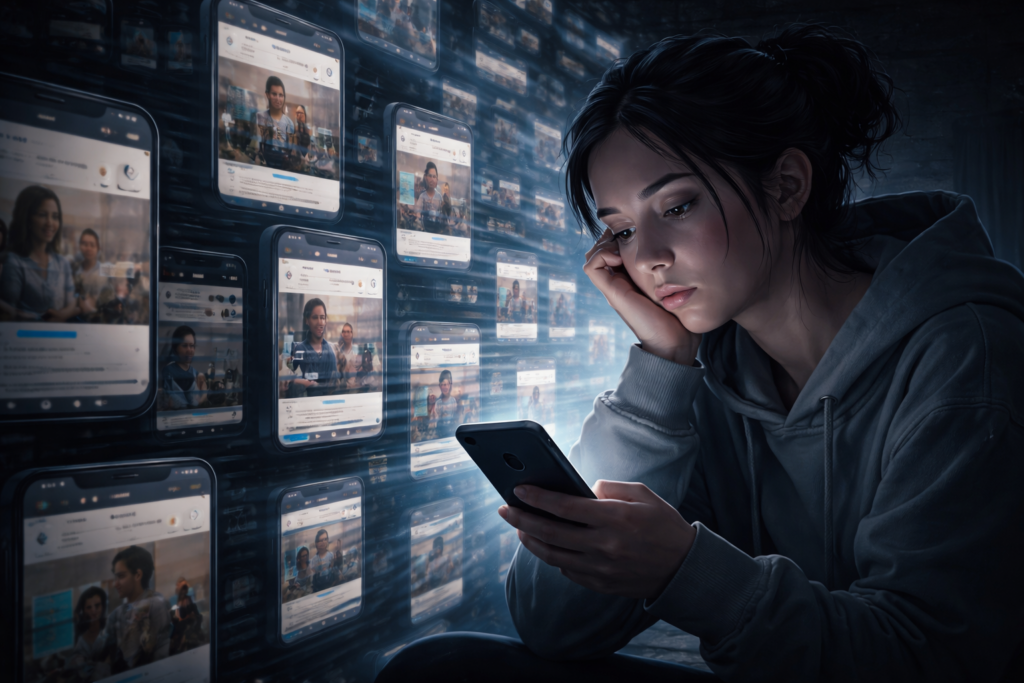
Open any social media app during a major event and you’ll notice the same thing almost immediately. People start reacting before the full story is even clear.
Someone posts a clip without context. Thousands of comments appear within minutes. People form strong opinions instantly. Arguments begin before facts are confirmed. And usually, the fastest reactions spread the most.
Not the most thoughtful ones. Not the most accurate ones.
Just the fastest. That’s because modern social media platforms are built around speed. The faster people react, post, comment, and share, the more activity platforms generate. And more activity means more engagement.
Over time, this slowly changed the way people behave online.
Being First Matters More Than Being Careful
Social media moves incredibly fast now. A trending topic can dominate the internet for three hours and disappear completely by evening.
People know this. Creators know this. News pages know this. Commentary accounts know this.
So everyone feels pressure to react quickly before attention moves somewhere else.
Because once the internet moves on, it rarely comes back.
That’s why people often post opinions before:
- reading full articles
- checking sources
- understanding context
- waiting for updates
Being early online often matters more than being complete. And honestly, platforms indirectly reward this behavior.
Fast Reactions Perform Better Online

Think about the kind of posts that usually go viral.
They are often:
- emotional
- short
- confident
- dramatic
- easy to understand instantly
These posts spread quickly because they require almost no effort from the audience.
You see it. You react. You share it.
That entire process can happen in seconds.
Longer thoughtful explanations work differently.
They ask people to:
- slow down
- pay attention
- consider multiple sides
- think carefully
That’s harder to do while endlessly scrolling through fast-moving feeds.
Especially now, when people consume huge amounts of content every day.
Social Media Is Built Around Momentum
Most platforms care deeply about momentum.
The faster a post receives:
- likes
- comments
- reposts
- replies
- watch time
the more the algorithm pushes it further.
This creates a system where emotionally reactive content naturally performs better. Because emotional reactions happen fast.
Anger spreads fast. Shock spreads fast. Excitement spreads fast.
Careful thinking usually doesn’t. And this doesn’t only affect influencers or big creators anymore. Normal users behave this way too.
People Comment Before Reading Now
This has become incredibly common online. Someone shares a headline. People react instantly in the comments. Later it turns out many never even opened the article.
Sometimes users react only to:
- thumbnails
- clips
- screenshots
- edited moments
- out-of-context quotes
Because social media trains people to process information quickly. The internet now feels less like reading and more like reacting. And honestly, many platforms are designed exactly for that.
Confidence Performs Better Than Uncertainty
One strange thing about social media is that confident opinions usually spread more than careful ones. Online, strong certainty looks more engaging.
A post saying:
“This is completely terrible.”
usually spreads faster than:
“This situation is more complicated than it first appears.”
Even if the second statement is more reasonable. The internet rewards clarity and emotional confidence because those things are easier to consume instantly.
Nuance takes time. And time performs badly on fast-moving feeds. That’s one reason online conversations often become extreme very quickly.
People are rewarded for sounding certain immediately. Not for slowly figuring things out.
Creators Feel Constant Pressure To React
This affects content creators heavily too. If a major topic starts trending, creators know they need to post quickly or risk becoming irrelevant to the conversation.
A delayed upload often gets fewer views because people have already moved on.
So many creators rush:
- reaction videos
- opinion threads
- commentary posts
- livestream takes
before fully understanding the situation themselves. And honestly, sometimes the audience expects this speed too.
People constantly refresh platforms looking for immediate reactions. Who responded first. Who posted fastest. Who said something controversial. Everything becomes part of the momentum cycle.
Algorithms Don’t Care About Thoughtfulness
This is probably the most important thing to understand. Algorithms mainly care about engagement.
They are not human editors asking:
“Is this thoughtful?”
“Is this balanced?”
“Did this person take time to reflect?”
They mostly measure:
- clicks
- shares
- replies
- watch time
- reactions
Fast emotional content often wins these metrics naturally. That’s why outrage spreads so efficiently online. It creates immediate interaction.
Even people arguing in comments still help boost engagement. In many cases, social media platforms reward activity itself more than quality.
News Also Became Faster Because of Social Media
This shift changed journalism too. News organizations now compete inside the same fast-moving internet environment as everyone else.
Updates happen constantly. Headlines change throughout the day. Breaking news spreads through social media before many people even visit actual news websites.
Because attention moves quickly online, everyone feels pressure to publish quickly. Sometimes too quickly.
That’s why confusing or incomplete stories often spread massively before proper context appears later. And by the time corrections happen, millions of people may already believe the earlier version.
Fast Opinions Create Fast Internet Culture
You can see the effects everywhere now.
Online discussions became:
- shorter
- faster
- more reactive
- more emotional
- less patient
People rarely sit with information anymore.
Everything immediately becomes:
- a debate
- a reaction
- a trend
- an argument
- a meme
And honestly, social media platforms encourage this because constant reactions keep users engaged longer.
The internet rewards movement. Stillness performs poorly.
Slower Content Still Exists But It Travels Differently
Thoughtful content hasn’t disappeared completely. But it usually spreads slower.
People often consume it through:
- long videos
- podcasts
- newsletters
- blogs
- smaller communities
Because slower content asks for something social media struggles with now: attention. And attention online became fragmented.
Many people scroll while:
- eating
- traveling
- watching something else
- switching apps
- multitasking constantly
That environment naturally favors fast content over deep reflection.
Social Media Quietly Changed How People Think Online
One of the biggest changes social media created is psychological. People now feel pressure to have immediate opinions about everything.
A new controversy appears and within minutes:
- reactions begin
- sides form
- arguments explode
- viral posts spread
Waiting feels unusual now. Even silence online sometimes gets interpreted as a reaction itself. That’s how deeply internet speed shaped modern online behavior.
The Internet Rewards Speed Because Attention Is Limited
At the center of all this is one simple reality: Everyone online is competing for attention at the same time.
Millions of posts appear every hour. Platforms constantly refresh feeds. New trends replace old ones rapidly. So speed became one of the easiest ways to stay visible.
The faster people react, the higher the chance they stay part of the conversation before the internet moves on again. And honestly, that’s probably why thoughtful conversations online often feel rare now.
Not because people stopped thinking. But because social media systems reward reacting faster than thinking.