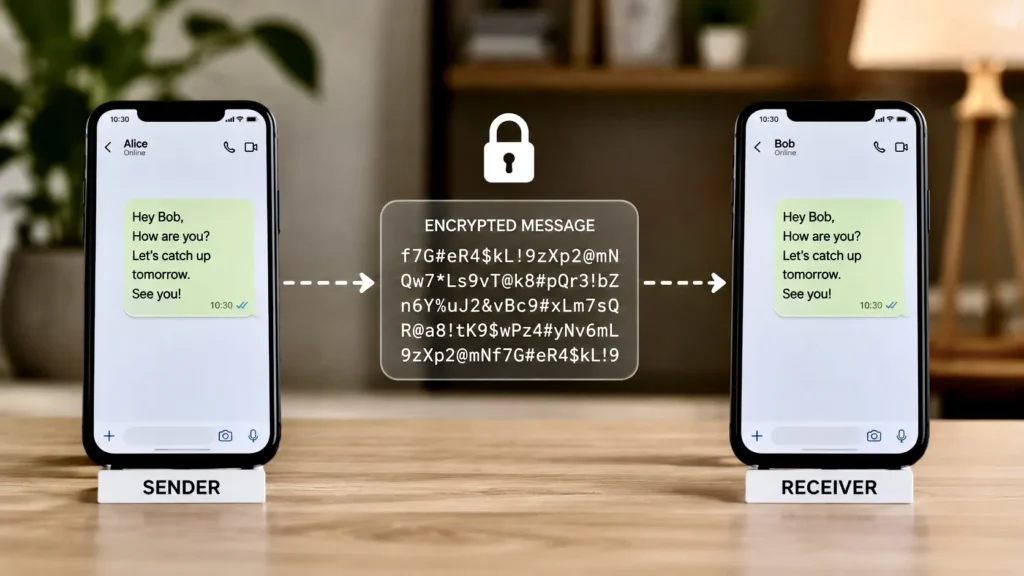
Almost every app now says something about data encryption. WhatsApp says your chats are encrypted. Browsers show a small lock icon. Cloud apps talk about encrypted backups. Banking apps keep mentioning secure encrypted connections.
Most people see these words daily. But honestly very few actually know what encryption means.
People usually just assume: encrypted means safe. And yes that is mostly true. But the actual idea behind encryption is much more interesting than most people think.
Because encryption is basically the reason private digital life is even possible on the internet.
Without it:
- passwords would be exposed
- banking would become dangerous
- messages could be read easily
- online payments would feel risky
- personal data would constantly leak
The modern internet depends heavily on encryption working properly.
So What Is Data Encryption
Data encryption basically means hiding information by converting it into unreadable form.
Only the correct person or system can turn it back into readable information again. That is the entire idea. Think of it like this.
Imagine writing a normal sentence: Hello, how are you?
Encryption scrambles it into something like: X8k2Lm91Qz
Now it looks meaningless. Anybody seeing it in between cannot understand it properly.
But the correct system has a secret key that converts it back into the original readable message. That process is called decryption.
Encryption hides the information. Decryption unlocks it again.
Why Encryption Exists Everywhere Now
The internet became full of valuable information.
People now store:
- photos
- passwords
- payment details
- chats
- bank accounts
- documents
- emails
online constantly. And all this information moves across networks every second.
Without encryption, much of this data could potentially be intercepted while traveling between devices and servers. That is why encryption became normal across the internet.
Most people do not realize how often their data moves through different systems before reaching its destination.
For example when you send a message:
- your phone sends data
- servers process it
- networks transfer it
- apps receive it
Encryption helps protect the information during this journey.
What Happens Without Encryption
Without encryption, internet traffic would look surprisingly exposed.
Imagine sending:
- passwords
- private chats
- banking information
as plain readable text.
Anyone intercepting the data could potentially read it directly. That is why old insecure websites feel dangerous today.
Modern browsers even warn users when websites are not properly encrypted. That small lock icon near website addresses actually matters more than many people realize.
It usually means the connection between you and the website is encrypted.
Encryption Basically Creates A Secret Language
Honestly the easiest way to understand encryption is this. Encryption creates a secret version of information that only authorized systems can understand.
Everybody else sees meaningless scrambled data. And modern encryption systems are extremely complicated mathematically.
Not because companies want to sound smart. Because hackers constantly try breaking security systems.
The harder encryption becomes to crack, the safer the data stays.
How Encryption Actually Works
This is the part most people never properly understand. When information gets encrypted, the system uses something called a key. Think of the key like a secret unlock code.
The encryption system takes:
- your original information
- mathematical rules
- the secret key
and transforms the data into unreadable form. Without the correct key, decoding the information becomes extremely difficult.
For example:
your password may travel across the internet in encrypted form.
If somebody intercepts the data, they mostly see scrambled information instead of the real password. That is the protection encryption provides.
Why End To End Encryption Became Popular
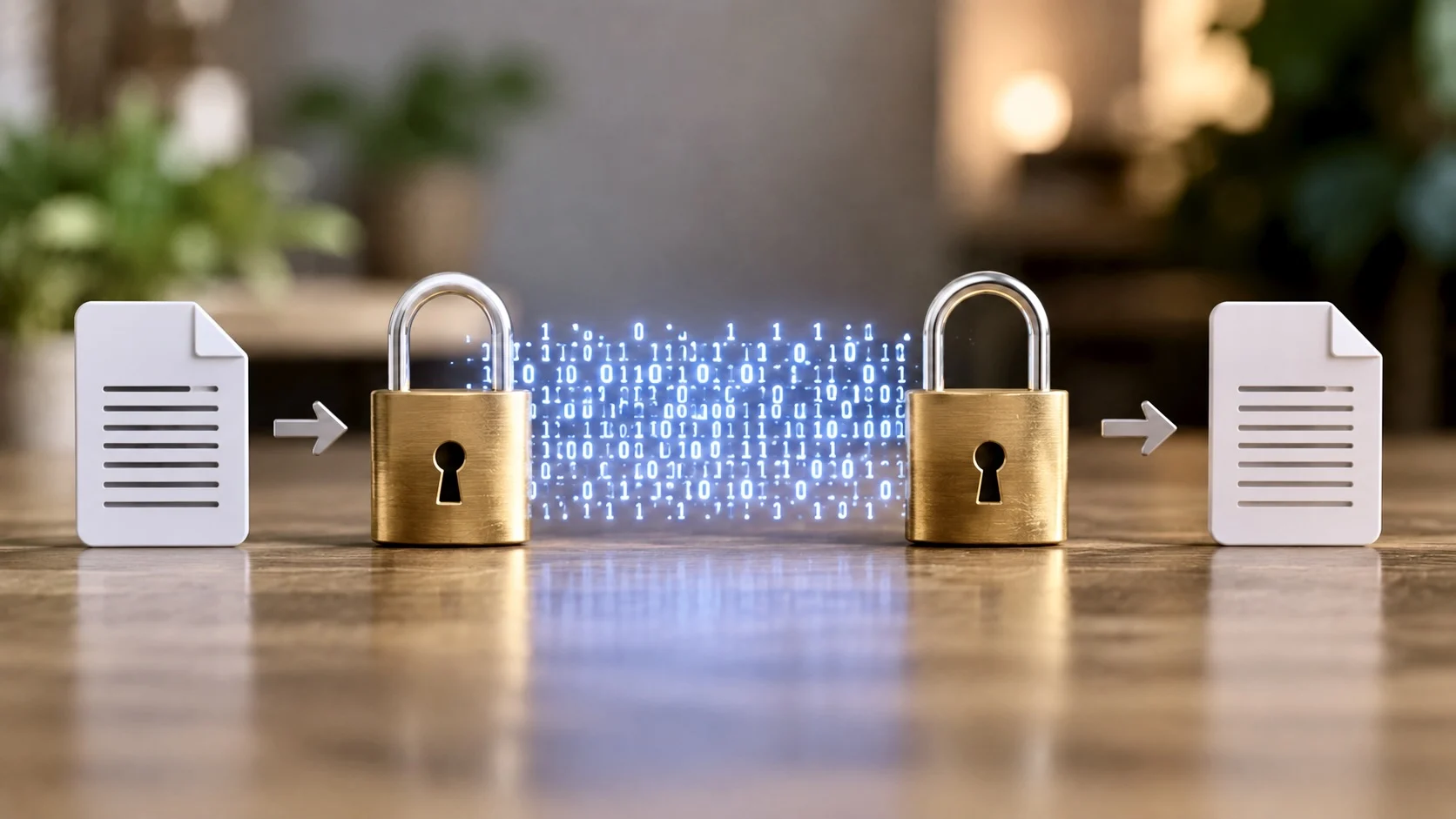
You probably saw apps like WhatsApp talking heavily about end to end encryption. That became a huge topic over the last few years.
End to end encryption basically means: only the sender and receiver can read the messages properly.
Not even the platform itself can fully see the original conversation content during transmission. That is why apps promote it heavily for privacy.
People became more aware that huge amounts of personal communication now happen online. And honestly many users no longer trust companies completely with private conversations.
Encryption became part of that trust discussion.
Why Banking Apps Depend On Encryption
Online banking would feel terrifying without encryption.
Every time you:
- transfer money
- enter card details
- check balances
- log into banking apps
encryption is working somewhere in the background. Because financial information is extremely valuable for attackers.
Banking systems use multiple layers of encryption and security together to reduce risks. Without strong encryption, online payments would probably never become this common globally.
Encryption Is Not Just About Hiding Secrets
This is important too. People often think encryption only matters for secret conversations. But honestly encryption mostly exists because modern digital systems need trust.
When you use an app, you trust:
- your password stays protected
- your payment details stay secure
- your account information stays private
Encryption helps create that trust. Without it, digital systems would feel much more unsafe.
Passwords Also Use Encryption
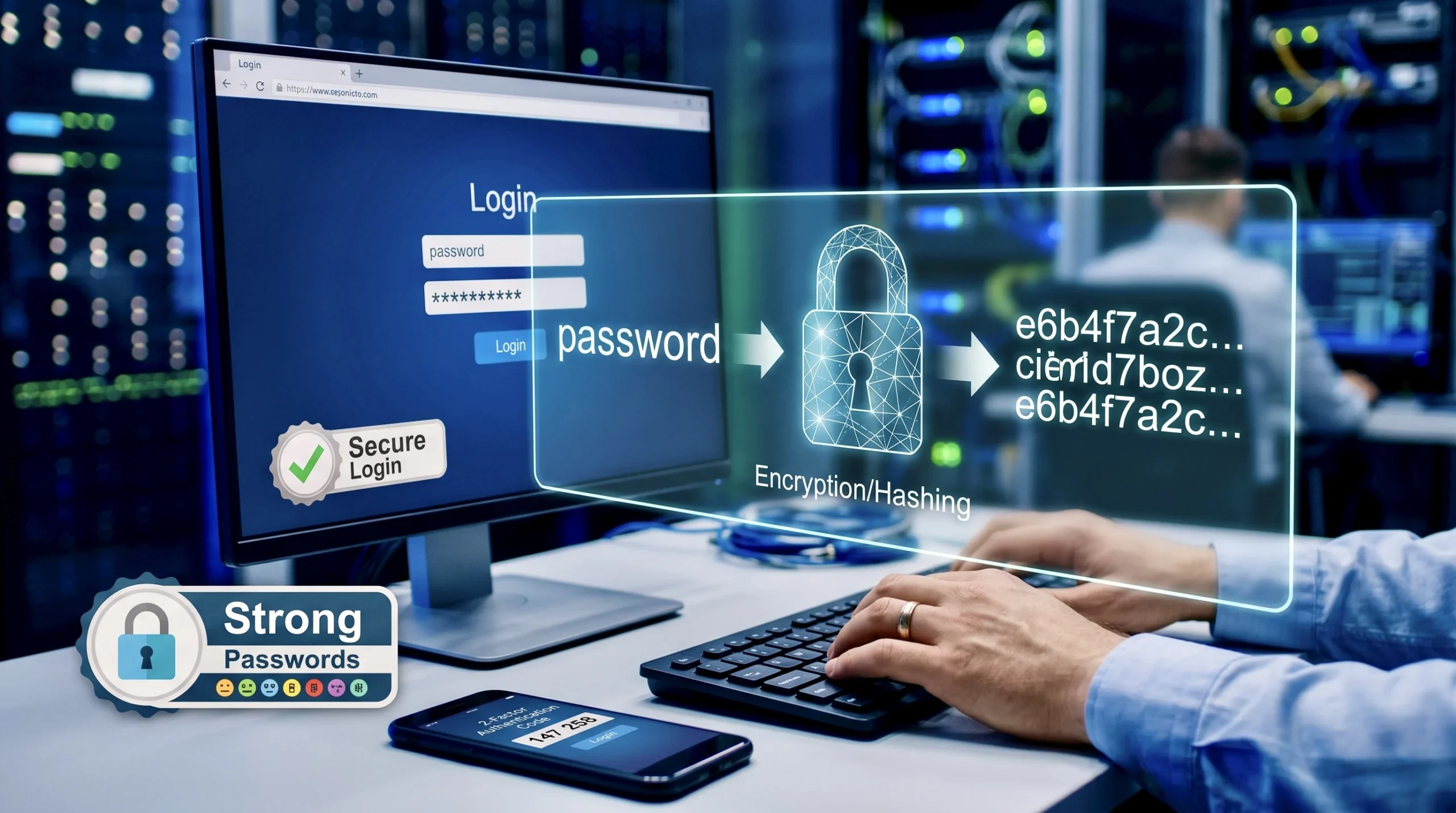
One interesting thing many people do not know is that good websites usually do not store passwords as plain readable text.
Instead they store encrypted or hashed versions. That way even if systems get breached, attackers may not instantly see everybody’s original passwords directly.
This is why websites constantly encourage:
- strong passwords
- two factor authentication
- secure logins
because modern security depends on multiple protection layers together.
Can Encryption Be Broken
Technically yes. But modern encryption systems are designed to make breaking them extremely difficult and time consuming.
Strong encryption can take enormous computing power to crack properly. That is why companies constantly update security systems as computers become more powerful.
The internet is basically in a constant security race between:
- protection systems
- hackers
- cybersecurity researchers
Encryption keeps evolving because attacks keep evolving too.
Encryption Quietly Runs Modern Digital Life
Most people never think about encryption while scrolling social media or watching videos. But it quietly exists almost everywhere online now.
When you:
- unlock phones
- back up files
- use cloud storage
- send messages
- log into apps
- browse secure websites
encryption is probably involved somewhere. It became part of the invisible infrastructure of the modern internet.
And honestly most users only notice it when apps suddenly mention:
- encrypted chats
- encrypted backups
- secure connection
- security verification
The rest of the time it works silently in the background.
Encryption Also Changed Human Behavior
This is something interesting too. People became comfortable storing huge parts of life digitally partly because encryption improved trust online.
Think about how much modern life now exists inside phones:
- conversations
- memories
- documents
- financial information
- personal identities
Most people would never accept this level of digital dependence if online systems felt completely exposed all the time.
Encryption helped make digital life psychologically acceptable.
The Internet Needs Encryption To Function At Scale
At the center of everything is one simple reality. The internet moves enormous amounts of sensitive information constantly every second.
Without encryption:
- digital privacy would collapse
- online banking would feel unsafe
- accounts would become easier to attack
- internet trust would weaken badly
Encryption basically hides information from everyone except the people or systems meant to access it. That is why apps, websites, and companies keep talking about encrypted systems now.
Because modern digital life depends heavily on information staying protected while moving across the internet.
And honestly most people only notice encryption when they see words like: secure connection, encrypted message, or protected login.
But behind the scenes, encryption quietly protects huge parts of the internet every single day.