Buying a graphics card used to be a pretty simple thing. You checked your budget, looked at a few cards, watched some benchmarks and waited for a decent deal. Now it can feel like you’re shopping for a small car.
A card that looks normal on paper can come with a price that makes you stop and look again. And sometimes the bigger problem isn’t even the price. The card you want may simply not be available.
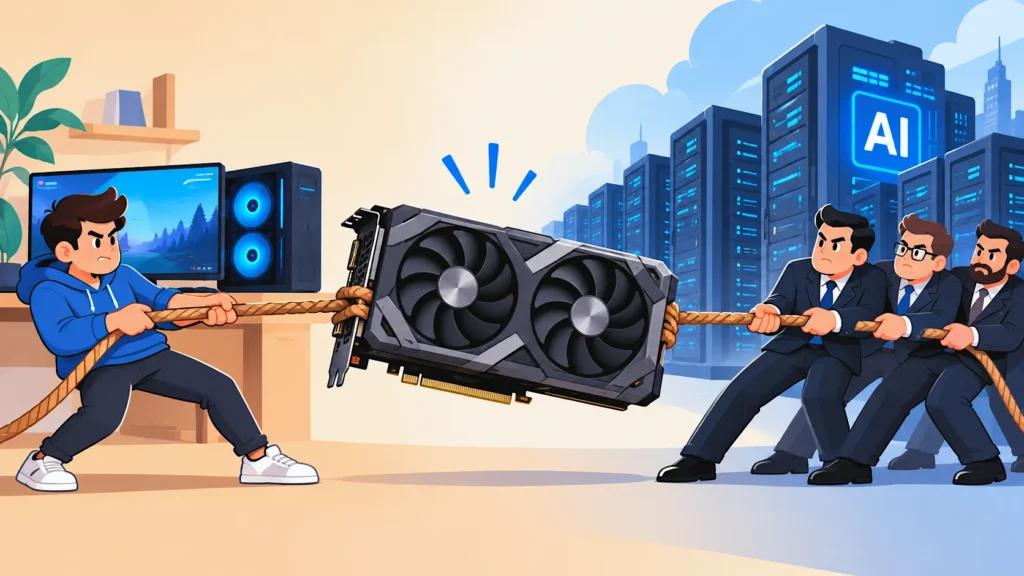
There is a reason for this. The graphics card market has changed because GPUs are no longer being made mainly for people playing games or building home PCs. The same kind of hardware has become extremely valuable to companies building AI systems.
You are still buying a graphics card. But you are no longer competing only with other PC users for it.
There Aren’t That Many Companies Making Them
We talk about the GPU market like there are dozens of companies making graphics cards from scratch. There aren’t.
NVIDIA and AMD design the chips. Companies such as TSMC manufacture advanced chips for them. Then other companies turn those chips into the graphics cards you actually buy.
That matters because building advanced chips is not something you can quickly scale up when demand suddenly jumps. New factories take years. Expanding existing production also takes time.
So when millions of people suddenly want more computing power, supply can’t just appear next month.
That was already a problem before AI became such a huge customer.
Then AI Entered the Room
This is where the market really changed.
AI companies need huge amounts of computing power. Training large AI systems and running them for millions of people takes far more hardware than a normal desktop PC.
And a company building a large data centre does not think about GPUs the way a gamer does. A gamer may wait for a sale. A company building an AI system may need thousands of chips and may be willing to pay much more to secure them.
That changes the market.
Suddenly, the people buying computing hardware are not just gamers, creators and PC builders. Some of the world’s richest technology companies are also looking for as much computing power as they can get.
GPU demand stopped being only about PCs. AI turned computing power into infrastructure.
It’s Not Just the GPU Chip
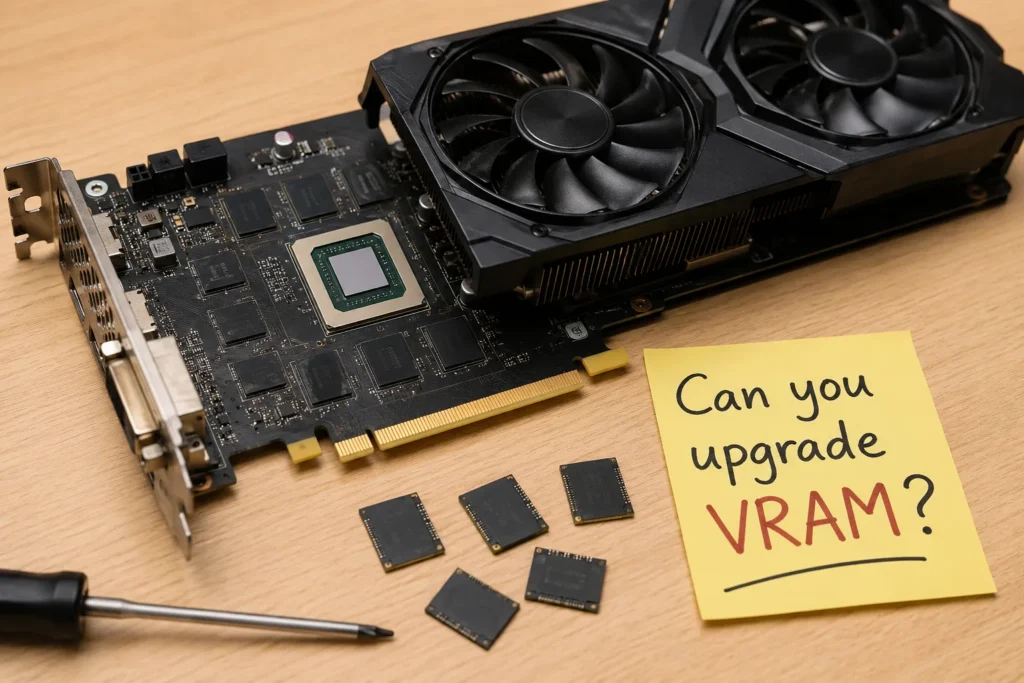
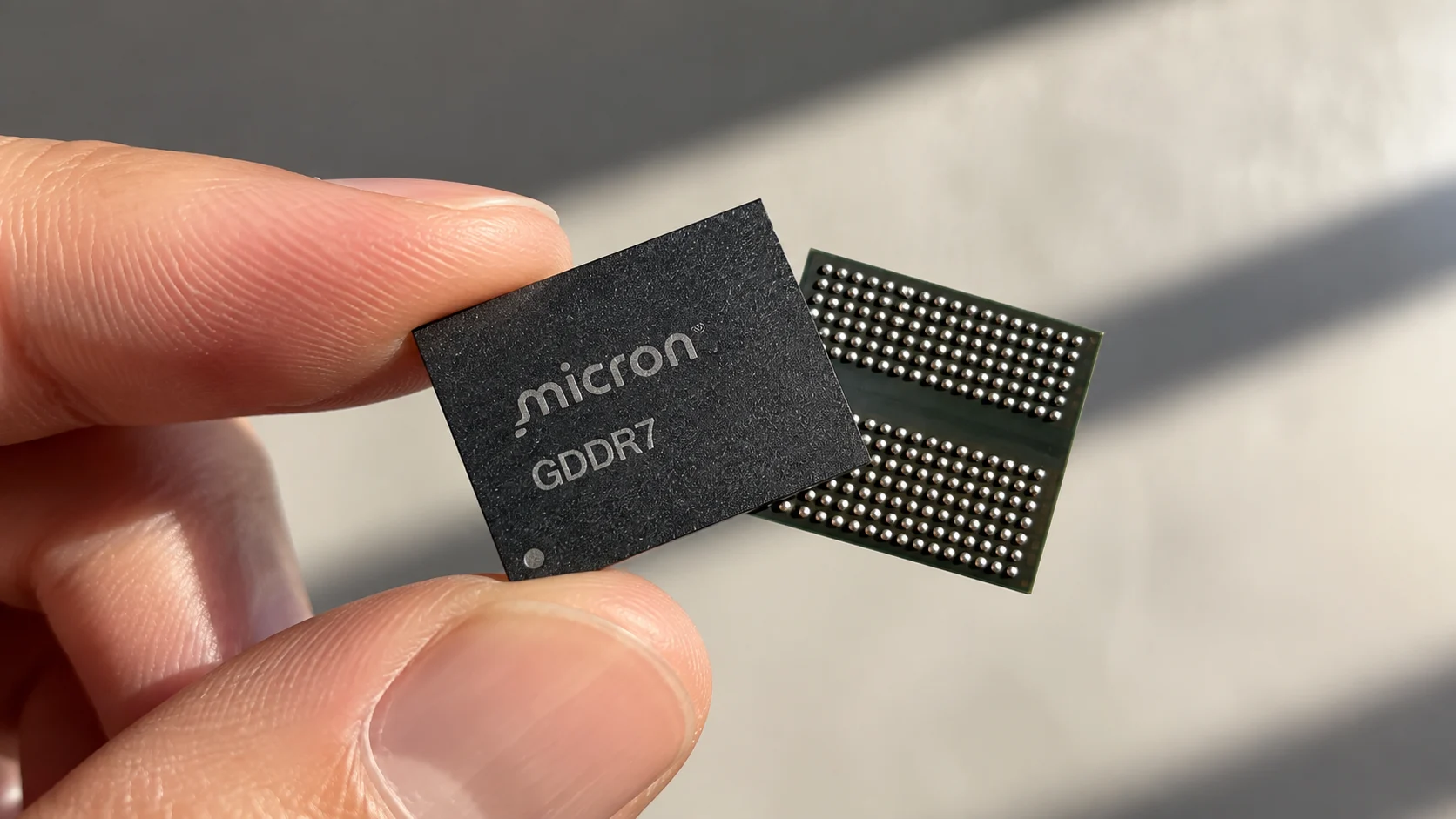
A graphics card isn’t just one chip sitting on a board. It also needs its own memory.
That memory is important because the GPU needs quick access to the data it is working on. Modern cards can need a lot of it, especially at the higher end.
The problem is that memory is also being pulled toward the AI industry.
Companies building AI systems need enormous amounts of high-speed memory for their hardware. When demand for that kind of memory rises, manufacturers have a reason to put more of their production into the parts that make the most business sense.
That can leave consumer hardware dealing with higher costs too.
When you look at a graphics card and wonder why the price has jumped, the answer isn’t always sitting inside the GPU itself. Some of the pressure is coming from the parts around it.
Gamers Have More Competition Now
I don’t think the right way to look at this is “companies stopped caring about gamers.” It’s more basic than that.
The money around AI has changed the value of computing hardware.
If a company can sell expensive hardware to another company that needs thousands of units, that is a very different business from selling one graphics card to one person who is waiting for a discount.
That doesn’t mean gaming has become unimportant. It means gaming is no longer the only big market in the room.
The customer buying one card has to think about price. The customer buying thousands has to think about getting enough cards.
Those are very different problems.
Then There Are the Scalpers
Even when a new graphics card reaches a shop, that doesn’t mean you’ll get one.
Popular launches can disappear very quickly. Resellers use software to monitor stores and place orders much faster than a normal buyer can.
Then the same card appears somewhere else at a much higher price.
This is especially frustrating because it creates a strange situation. The manufacturer may have launched the card at one price, but the price a real buyer sees can be completely different once supply gets tight.
Scalpers are not the whole reason graphics cards are expensive. But when supply is already limited, they make the situation worse.
That combination can make a new card look impossible to buy even when it officially launched at a reasonable price.
Why Prices Don’t Just Go Back Down
This is probably the part buyers don’t want to hear.
There is a big difference between a temporary shortage and a market that has found a new customer willing to spend a lot of money.
AI has become a huge source of demand for computing hardware. At the same time, advanced chip production is expensive and difficult to expand quickly.
Even when one generation of graphics cards becomes easier to find, that doesn’t automatically mean the whole market goes back to the prices people remember from years ago.
Some prices may come down. Some cards will become better deals. Older generations will eventually look more attractive.
But the old idea that high-end PC hardware will always become cheap after a little time is harder to depend on now.
Not Every Buyer Needs a Giant GPU
There is one thing that gets lost when people talk about expensive graphics cards.
Not everyone needs the fastest card on the market.
If you play at 1080p, use older games, do normal creative work or simply want a decent desktop for a reasonable price, the most expensive GPU may not make much sense anyway.
That leaves room for companies trying to compete below the top end. Intel’s Battlemage cards are one example from the older post. They are not trying to beat every expensive card in every situation. The appeal is much simpler: give people another option.
Don’t ask which graphics card is the fastest. Ask which card does what you need without making the rest of your PC build ridiculous.
What Should You Do?
I wouldn’t wait forever for graphics card prices to become what they were five or six years ago.
I’d start with the games or work I actually do. Then I’d decide what level of performance I need and look at cards around that point.
There is no prize for owning the most expensive GPU in the room. A card that runs your games properly is more useful than a much faster card sitting inside a PC that you never push.
And I would be careful with launch-day buying. When a card is hard to find, people start convincing themselves that paying far more is better than waiting. Sometimes it isn’t.
The best graphics card for you is the one that handles what you actually do at a price you are comfortable paying.
The GPU Market Changed
Graphics cards didn’t suddenly become useless. Quite the opposite. They became more valuable because more people and more companies found new things to do with them.
That is good for the companies making computing hardware. It is not always good for someone sitting at home trying to upgrade a PC.
AI demand, limited manufacturing, expensive memory and aggressive reselling have all pushed the market in a direction that feels very different from the one PC builders got used to.
Maybe prices will improve in some parts of the market. Maybe new competition will help. But I don’t think we should assume the old definition of a “normal” graphics card price is coming back exactly as we remember it.
For now, I think the sensible move is to stop chasing the idea of the perfect deal. Find the card that makes sense for your PC, your games and your budget. Then get on with using it.
The graphics card market isn’t only serving gamers anymore. That’s the change behind the price problem.