AI IMAGE GENERATION
Shocking how your computer predicts pixels
AI image generation isn’t really about imagination. It doesn’t sit there thinking about a car, rain, or what would look cool. It works by learning patterns and then predicting what an image should look like from your prompt.
You type something strange like “a red sports car drifting in the rain, cinematic lighting.” You press enter, wait a few seconds, and somehow a complete image appears.
Sometimes the result is so good that it makes you stop for a second. How did a computer turn a sentence into this?
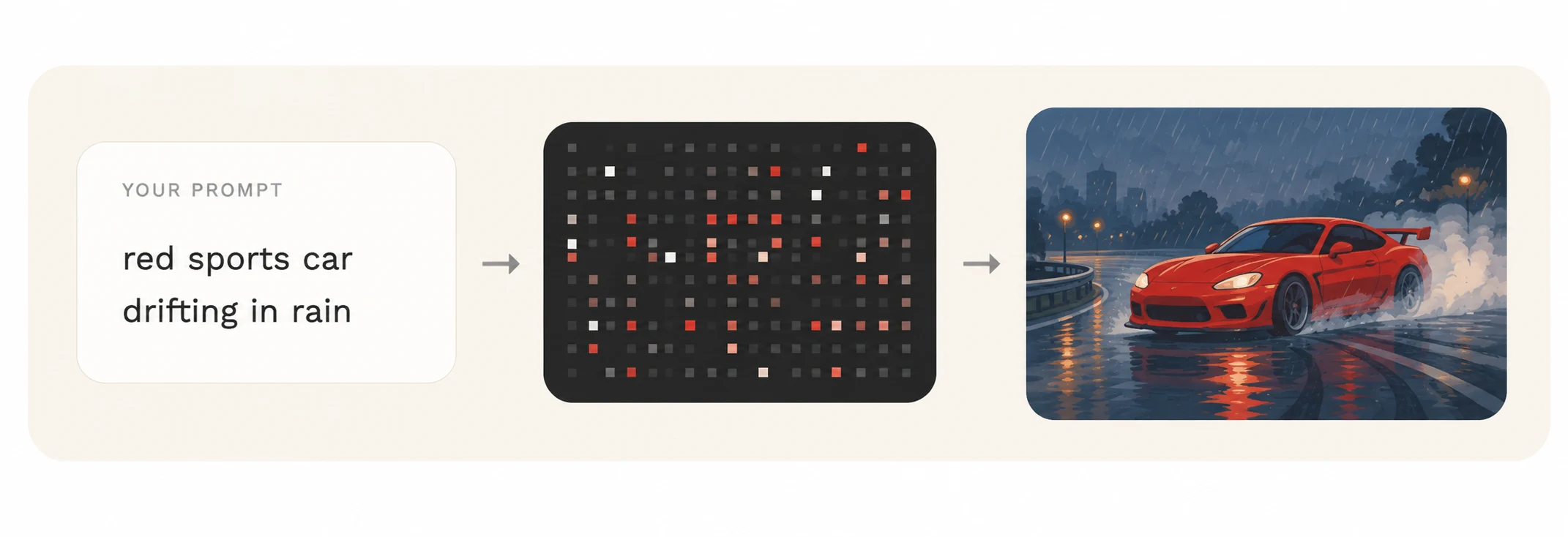
The answer isn’t imagination. It’s prediction. And once you understand what that actually means, AI images start looking very different.
AI image generation: let’s clear one thing up first
When an image generator gives you a picture of a car, there isn’t a tiny version of an artist sitting inside the computer imagining that car.
It doesn’t have a mental picture of the scene. It doesn’t have an intention behind the image either. It has learned patterns from huge amounts of data and uses those patterns to make a prediction.
pattern
prediction
That’s why the process can look creative from the outside even though the thing underneath is a prediction system.
What AI actually learns during “school”
Before an image generator can make anything useful, it has to learn from a huge number of examples. We’re talking about millions to billions of images, paired with text that describes what is in them.
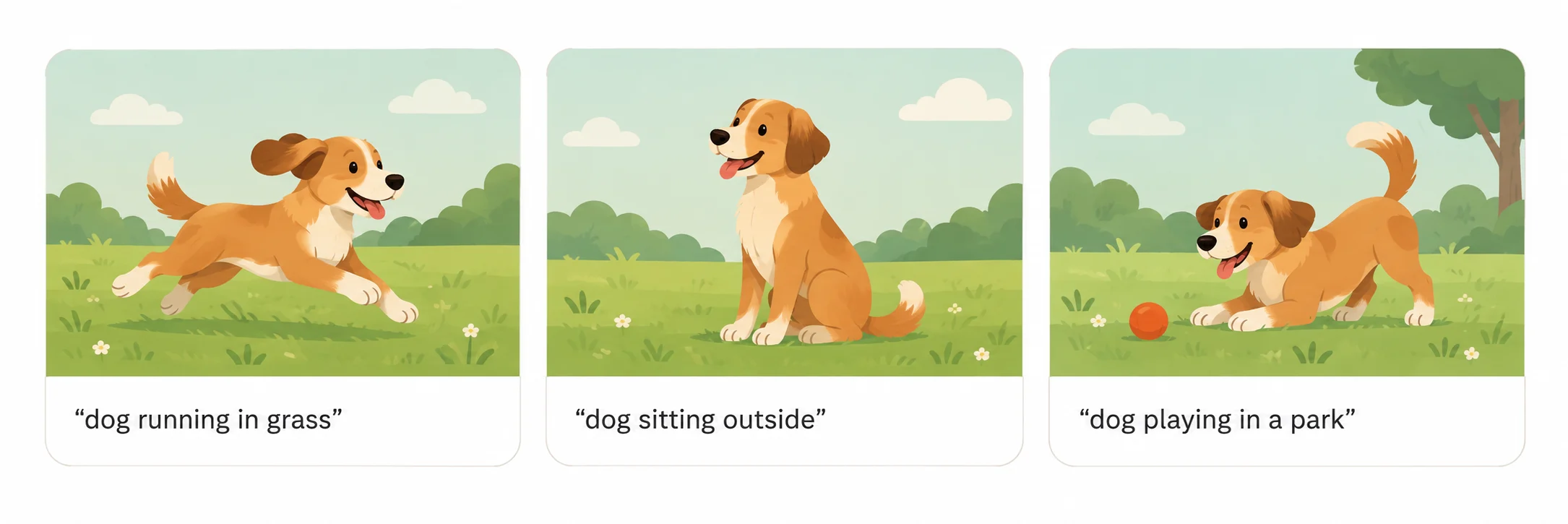
It doesn’t learn that a dog is a pet in the way a person does. It learns that certain visual patterns tend to appear together with the word “dog”.
What happens when you type a prompt?
Say you type: “a cat wearing sunglasses on a beach.”
The machine isn’t stopping to imagine that scene. It takes the words as signals and works with the visual patterns it has learned around them.
That’s the useful way to think about it. The model is trying to produce an image that matches all of those signals at once.
The magic trick: diffusion
Most modern image generators use a process called diffusion. The name sounds complicated, but the basic idea is easier than it sounds.
That cleanup doesn’t happen once. It happens again and again, with each step nudging the image toward what the prompt describes.
Think of it like sculpting fog
Imagine standing in a thick fog. At first, you can’t really tell what’s in front of you. There is just… fog.
You could think of AI image generation in almost the same way. Except there are no hands moving through the fog. The computer is making the changes with math.
Why AI sometimes fails
We’ve all seen those strange AI images: seven fingers, fingers bending in impossible directions, eyes sitting slightly too far apart.
The problem is that the model isn’t checking the world against a set of rules like a person would. It is working from patterns it has learned.
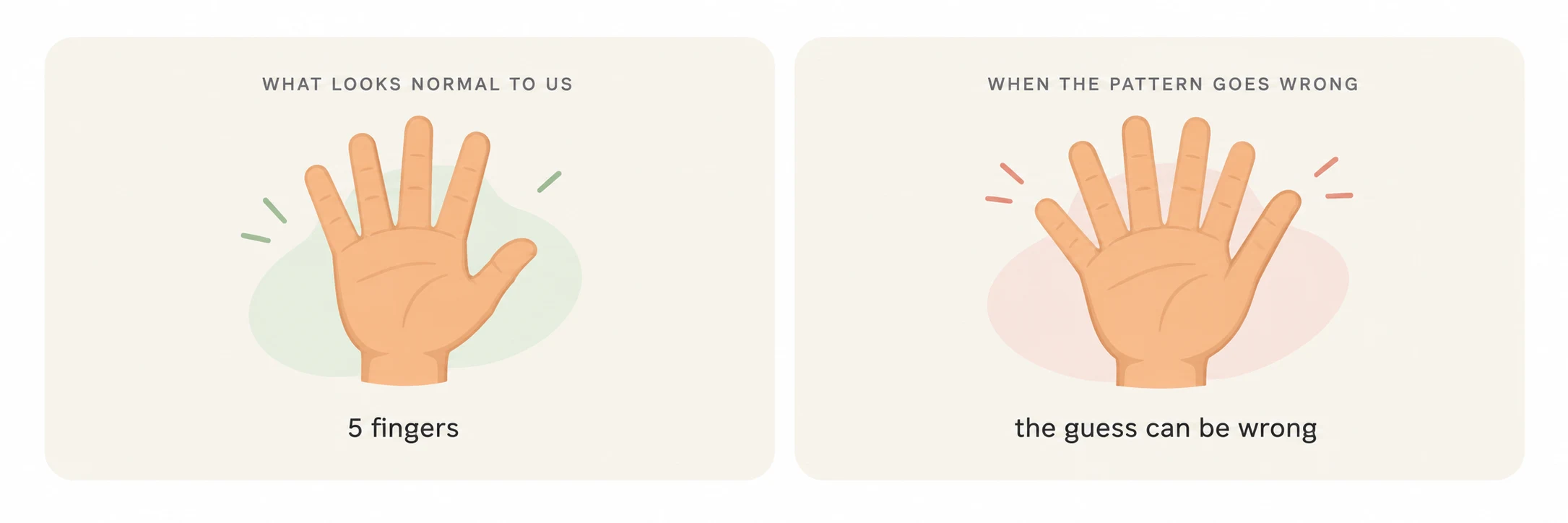
With simple scenes, the prediction can be excellent. Give it a crowded room, several hands and complicated positions, and small mistakes become much easier to make.
Why your prompts matter so much
Since the model isn’t thinking about your image the way you are, the words you give it matter. A vague prompt leaves a lot of room for guessing.
There are thousands of ways to interpret this.
Now the model has more clues to follow.
Colour, setting, lighting and the kind of object you want all give the model more signals. More useful signals usually means a more specific prediction.
The illusion of creativity
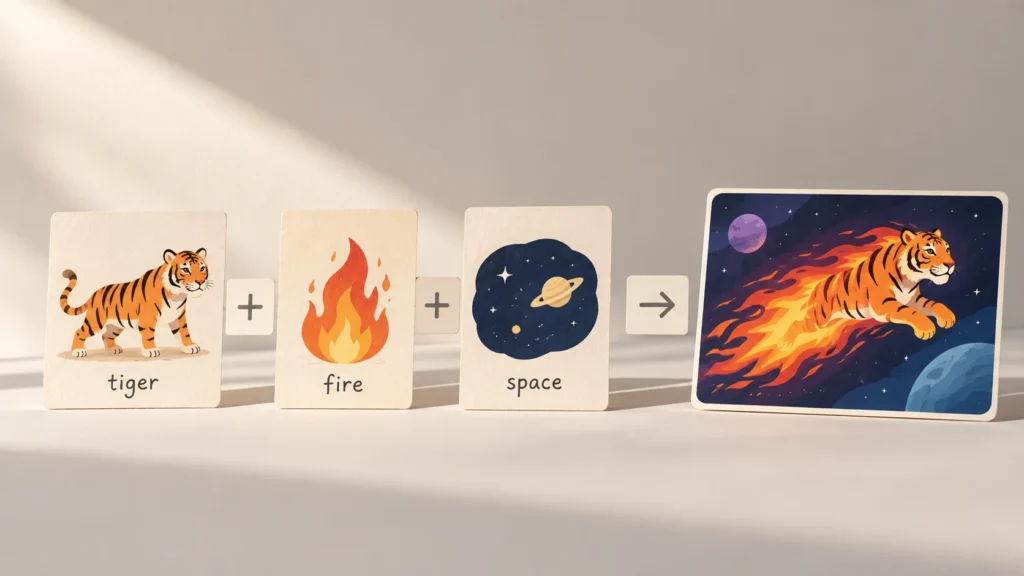
Here’s where AI can get really interesting. Ask for something that doesn’t exist, like “a tiger made of fire walking through space.”
It probably wasn’t shown that exact idea during training. But the model has seen patterns connected to tigers, fire and space.
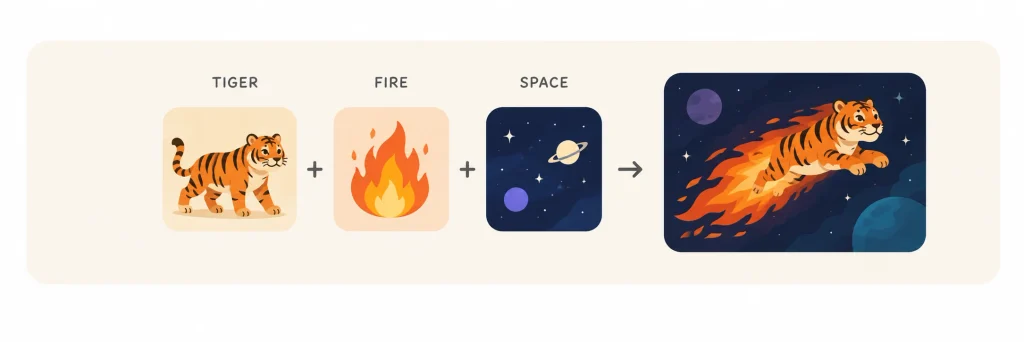
To us, that looks like a completely new idea. Underneath, it’s a very good remix of patterns the model already knows.
Does the AI understand emotion?
Ask for “a sad person sitting alone in the rain” and the result might genuinely make you feel something.
But the feeling is yours, not the machine’s. It doesn’t know what loneliness feels like. It has learned the visual clues people often connect with it.
That’s enough to produce an image we recognise as sad, even though there is no sadness happening inside the computer.
Why it still feels so impressive
Saying “it’s just math” doesn’t make the result any less impressive. The interesting part is how much of that prediction can happen, and how fast.
But there is an important detail here: you’re not controlling every pixel. You give the model the clues. It fills in the gaps.
That’s also why the same prompt can produce different results. There is still a lot of guessing happening along the way.
What’s really under the hood?
Strip away the beautiful final picture and the whole thing starts looking much less magical.
There isn’t a finished picture sitting inside the computer waiting to be revealed. There are numbers, patterns, probabilities and a huge number of tiny adjustments.
Why this changes everything
The interesting part is that this idea doesn’t stop with pictures.
In each case, the machine is working from patterns it has learned and using them to predict what should come next.
That’s probably a bigger question for another day.
Conclusion
AI image generators are incredibly useful. They can turn strange ideas into visuals in seconds, combine things that would be difficult to draw, and help you explore ideas before you ever pick up a pencil.
But the process underneath is less magical than it looks. The model doesn’t understand the meaning of the scene in the way you do. It works from patterns, fills in missing pieces and makes its best guess.
Explore more
Sources