HANTAVIRUS, If you have been scrolling through social media or checking the news lately, you’ve probably noticed a massive spike in searches for this specific, scary-sounding word. Suddenly, videos of crying cruise ship passengers and alarming headlines are flooding our feeds. People are understandably asking if this is the start of another global pandemic.(Source)
But before you start panic-buying toilet paper again, let’s take a deep breath. Yes, there is an ongoing and tragic medical situation involving a cruise ship, but social media is making it look a lot more like a sci-fi disaster movie than reality. Here is a clear, simple breakdown of what actually happened, what hantavirus is, and why you really don’t need to worry.
What Actually Happened on the MV Hondius?
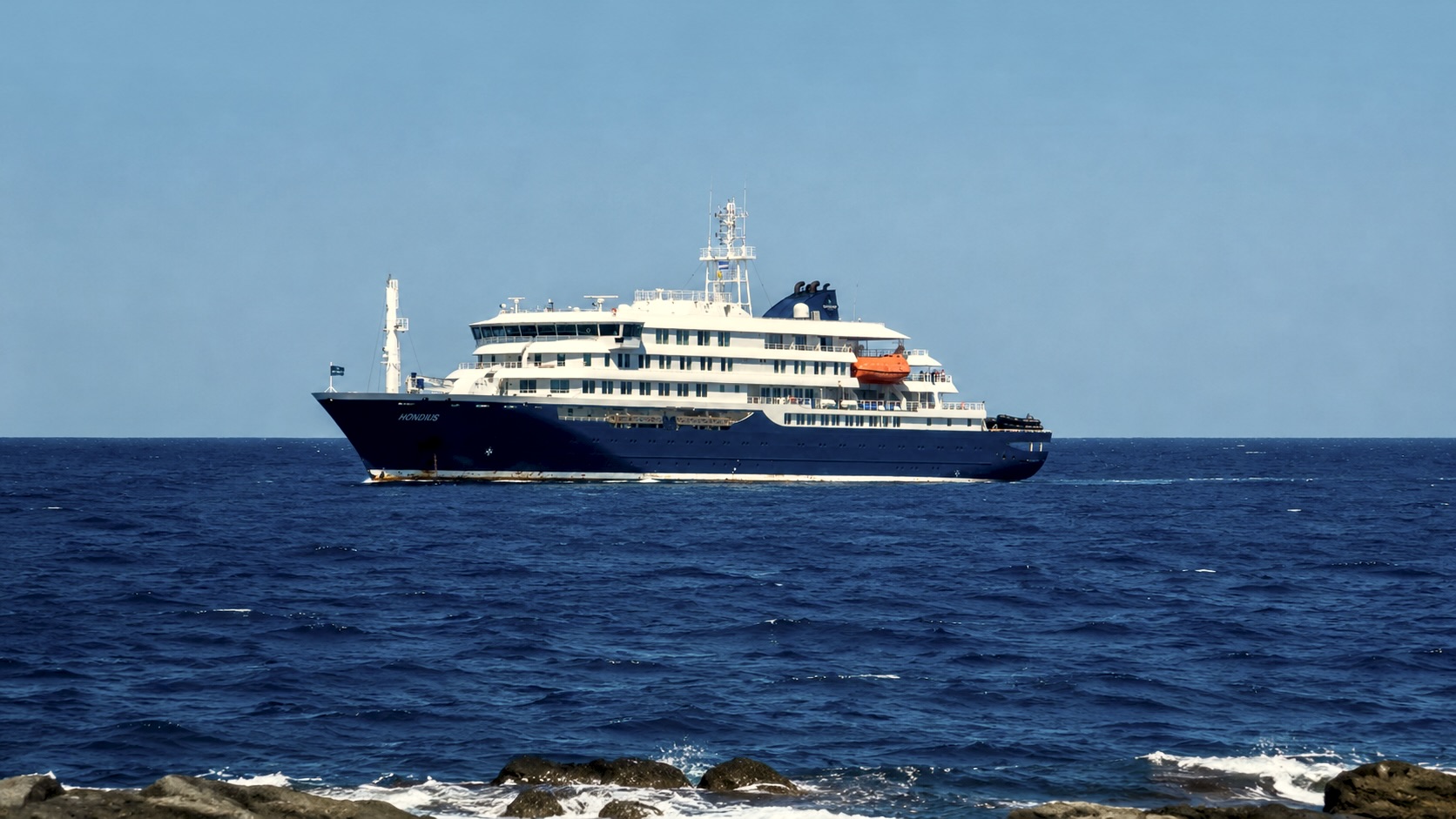
The story centers on the MV Hondius, a Dutch-flagged expedition cruise ship. On April 1, 2026, the ship left Ushuaia, Argentina, the southernmost city in the world, for a multi-week trip exploring the remote, icy landscapes of Antarctica and the South Atlantic. There were about 150 people on board, including passengers and crew from 23 different countries.
A few days into the trip, on April 6, a 70-year-old Dutch man started feeling sick with what seemed like a mild fever, a headache, and a bad stomach. Very quickly, his condition worsened into severe breathing problems, and just five days later, he tragically died on the ship. Because the ship was in a remote area without advanced lab equipment, everyone initially thought he passed away from natural causes.
Two weeks later, the ship stopped at the tiny island of St. Helena. The man’s body was taken off the ship, and his 69-year-old wife disembarked along with about 30 to 40 other passengers to head home. The wife took a flight to South Africa, but she became incredibly sick on the plane and passed away in a Johannesburg hospital the very next day. (Source)
Shortly after, a British expedition guide on the ship also fell critically ill and had to be medically evacuated from Ascension Island on a flight to an ICU in South Africa. Another passenger, a German woman, passed away on the ship shortly after.
When doctors in South Africa tested the patients’ blood, they realized this wasn’t a standard illness. It was hantavirus.
So, how did a rare virus get on a luxury cruise ship? Investigators believe the outbreak didn’t actually start at sea. The leading theory points back to the very beginning of the trip in Argentina. Before boarding the ship, the Dutch couple reportedly went on a birdwatching tour that included a stop at a local landfill. Landfills are notorious for attracting rodents, and health experts strongly suspect the couple was exposed to infected rat droppings during that excursion.
What Exactly is Hantavirus?
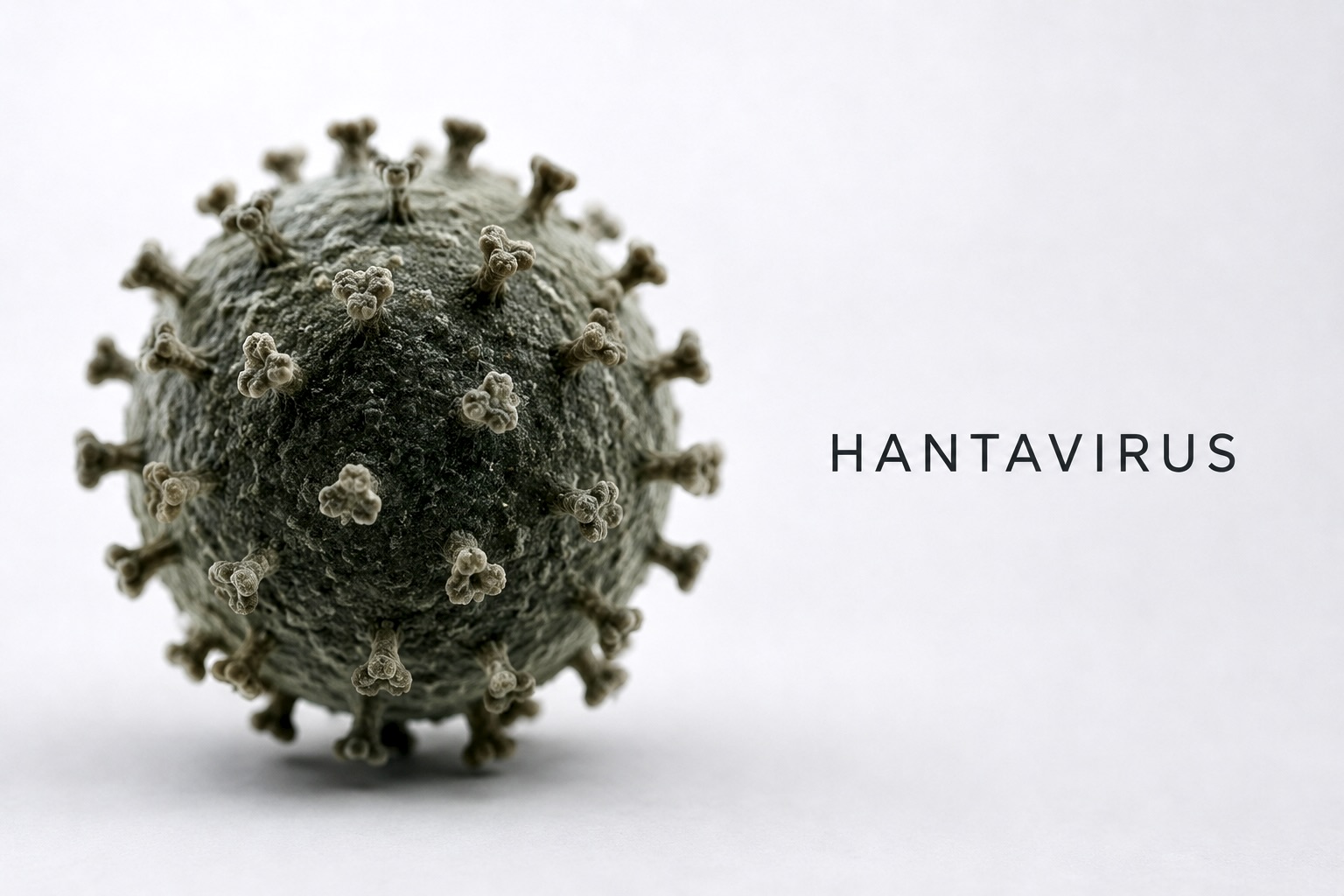
It sounds like a brand-new superbug, but hantaviruses have actually been around for a very long time, likely as long as rodents have existed. They are a family of viruses carried by mice and rats all over the world.
Different strains of the virus exist depending on where you live. In Europe and Asia, the “Old World” hantaviruses usually cause kidney issues and are generally less deadly. In the Americas, however, the “New World” strains cause a severe lung disease called Hantavirus Pulmonary Syndrome (HPS).
The specific strain causing the cruise ship outbreak is a South American type known as the “Andes” virus.
How Does It Spread?
Usually, you can only get hantavirus directly from rodents. You can’t catch it from a mosquito, a dog, or a random person coughing on the subway. People usually get infected when they breathe in invisible, aerosolized viral particles from dried rodent pee, poop, or saliva. This often happens when people are sweeping out old, dusty sheds, cabins, or barns where mice have been nesting.
However, the Andes strain is unique. It is the only known type of hantavirus that has proven it can spread from one human to another. But, and this is a massive “but”, it does not spread easily like a cold or the flu. It requires “close and prolonged” physical contact. We are talking about sharing a small sleeping cabin with someone, being intimate partners, or caring for a highly contagious sick person without proper protective gear.
What Are the Symptoms?
Hantavirus is incredibly tricky because it starts off looking like an everyday illness. For the first four to ten days, a person might just feel like they have a nasty flu. Early symptoms include fever, intense muscle aches (especially in the thighs, back, and shoulders), extreme fatigue, headache, chills, and stomach issues like nausea or diarrhea.
Because of these generic symptoms, people often don’t realize how sick they are until the virus moves into the second phase. That is when things get extremely dangerous. The virus causes the blood vessels in the lungs to become “leaky,” meaning the lungs rapidly fill up with fluid. This leads to severe coughing, chest tightness, a terrifying shortness of breath, and eventually shock.
It is a very serious disease. The death rate for Hantavirus Pulmonary Syndrome is high, somewhere between 30% and 40%. There is no cure, no specific antiviral pill, and no widely available vaccine. Doctors treat it by giving patients aggressive supportive care, like oxygen therapy and ventilators, to help keep their bodies functioning while their immune system fights off the infection.
Why the Internet is Freaking Out (And Why You Shouldn’t)
Word of this outbreak spread like wildfire online, mostly because of the dramatic setting. Passengers were essentially trapped on a ship off the coast of Africa, isolated in their cabins, while health officials scrambled to figure out what to do. The island nation of Cape Verde even refused to let the ship dock out of fear, leaving the vessel stranded at sea while medical supplies were shuttled out on small boats. Eventually, Spain stepped up on humanitarian grounds and agreed to let the ship dock in the Canary Islands so passengers could be safely evacuated in a heavily cordoned-off area.
To make matters worse, we live in an era where every moment is documented. Passengers stuck in their cabins were watching the news unfold on their phones while posting their own updates. One travel vlogger on board, Jake Rosmarin, posted a tearful video saying, “We’re not just headlines, we’re people… All we want right now is to feel safe”. Naturally, when people see videos of trapped cruise passengers dealing with a deadly virus, they immediately think back to the early, terrifying days of 2020.
The internet loves a good panic, and the rumors started flying. Some people claimed hantavirus was an airborne super-plague or a biological weapon.
Here is the truth: Hantavirus is not the next COVID-19. Dr. Maria Van Kerkhove from the World Health Organization (WHO) has specifically come out to say this to the press. While COVID-19 can spread easily across a grocery store aisle, hantavirus simply does not work that way. The average infected person passes the Andes virus to less than one other person, which is vastly different from highly contagious respiratory viruses. The confined, shared spaces of a cruise ship cabin just happened to create the perfect, rare storm for this specific tragedy.
Official Health Guidance (In Simple Terms)
Public health agencies around the world are monitoring the situation closely. Because passengers from 12 different countries got off the ship at St. Helena before the virus was officially identified, health workers are currently tracking those people down to monitor them. The incubation period, the time between being exposed to the virus and actually feeling sick, can be anywhere from one to eight weeks, so officials are playing it safe with a 45-day monitoring period for contacts.
So, what should you do? According to the U.S. Centers for Disease Control and Prevention (CDC), the risk to the American public is extremely low. You do not need to change your daily routine, wear masks in public, or cancel your travel plans.
The only real advice experts have is about regular, everyday rodent control. If you ever have to clean up mouse or rat droppings in your house, garage, or shed, do not sweep or vacuum them. Sweeping kicks the viral dust up into the air where you can breathe it in. Instead, wear gloves, spray the droppings with a bleach and water solution, let it sit to kill any germs, and then wipe it up with a paper towel.
What This Really Means
What happened on the MV Hondius is undeniably a tragedy. Families have lost loved ones, and passengers have endured a terrifying, stressful ordeal stranded at sea. However, it is crucial to separate the human tragedy from the biological threat.
The internet thrives on fear, but the science here is highly reassuring. Hantavirus is incredibly rare, it is largely tied to rodents, and even the specific strain that can pass between humans requires a level of intimate, prolonged contact that makes a global pandemic highly unlikely. Health officials are doing their jobs by tracking down exposed passengers and ensuring they get care if they need it.
So, the next time you see a viral video claiming a new cruise ship plague is coming for us all, you can scroll past it with confidence. Wash your hands, handle pest control safely, and leave the panic to the comment sections.