AI & APPS
Agentic commerce starts with a familiar problem: you need a new AC.
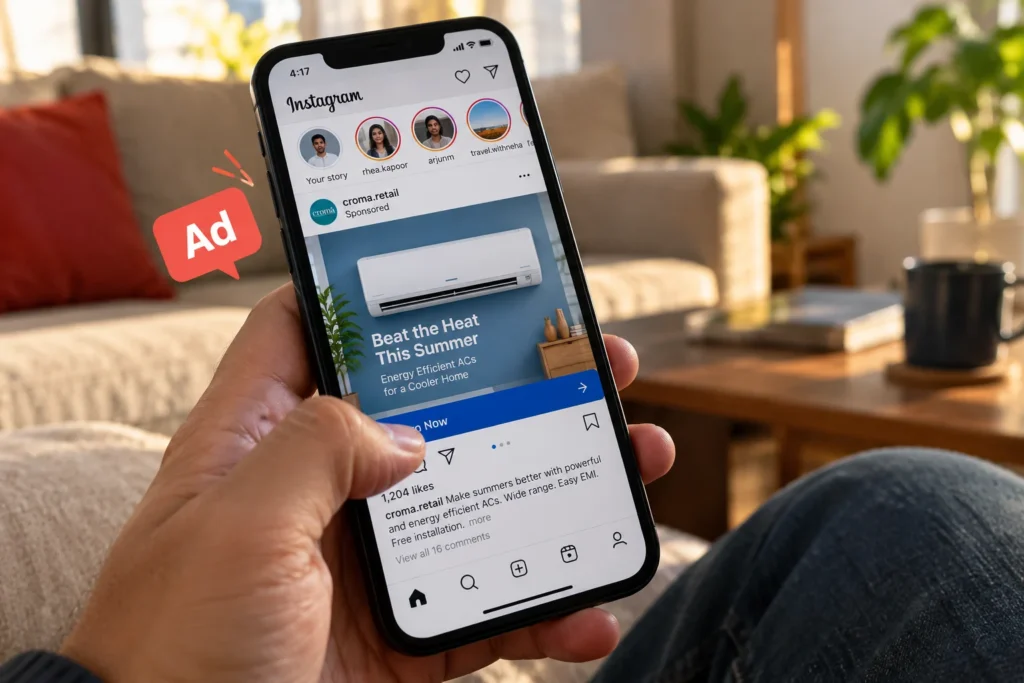
AI agents could change how Indians do online shopping. Imagine you need a new AC. You search “best 1.5 ton split AC”, scroll past three sponsored links, and land on a “Top 10 ACs” blog that’s really a pile of affiliate links. By evening, one brand is following you around Instagram. A week later, you buy whatever reached you the most times.
Notice what is missing in that chain. Nobody is necessarily trying to find you the best AC. Everyone is trying to win your click.
Now imagine telling an AI agent: find a 1.5 ton split AC under ₹40,000, with a 100% copper condenser, a good ISEER rating, and the cheapest worthwhile extended warranty. Compare the options, then ask me before placing the order.
The agent does not need to be impressed by the ad. It needs reliable information to decide which product fits your rules.
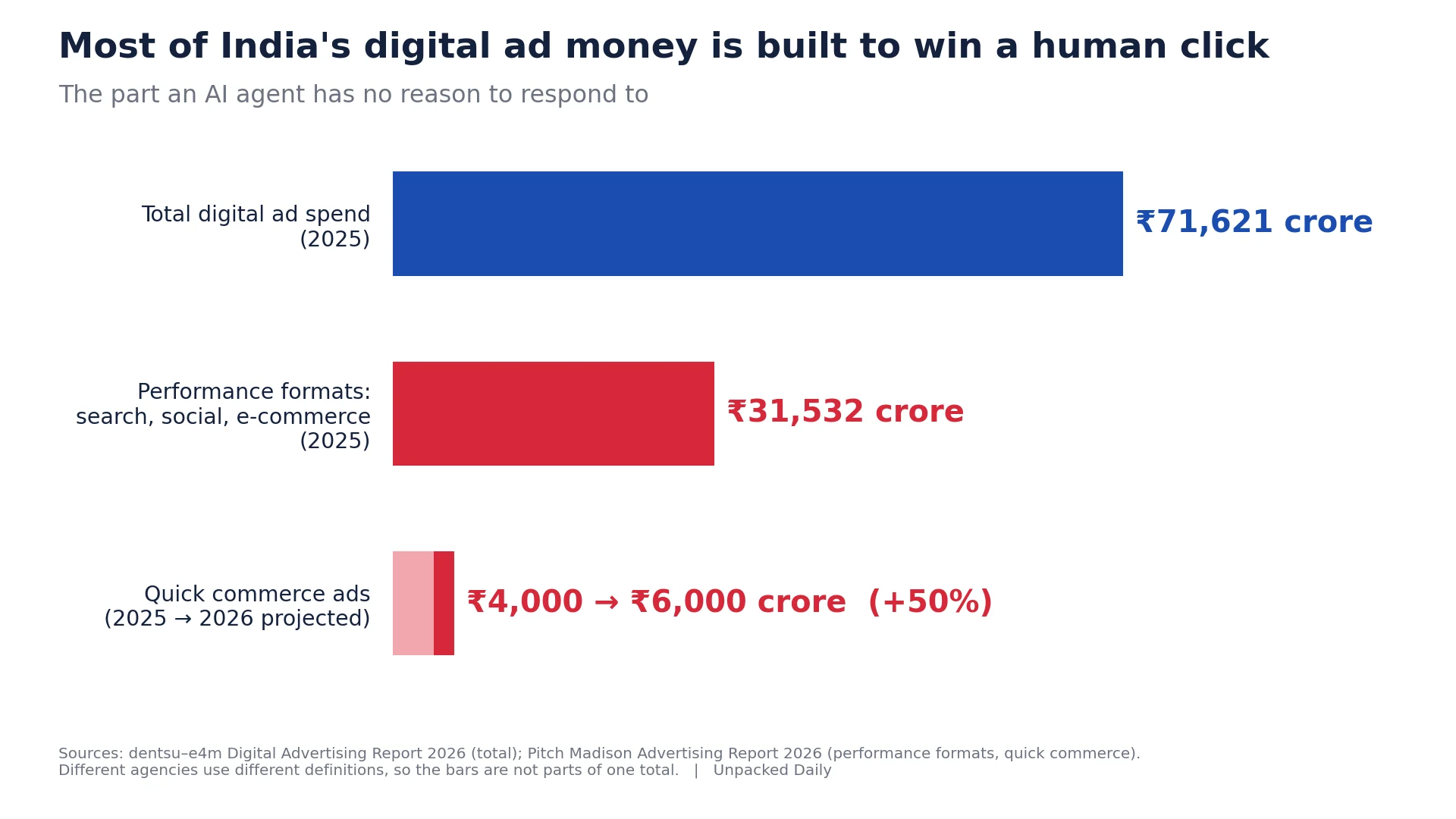
That is the promise behind agentic commerce. For an Indian ad industry that depends heavily on winning attention and paid placement, it sounds like a serious threat.
I do not think marketing disappears. But the first real fight over this future has already started, and it is not simply brands versus AI agents. It is also marketplaces versus the agents trying to shop on their customers’ behalf.
From answers to action
Agentic commerce: How AI Agents Could Change Online Shopping
A chatbot answers a question. You ask, it replies, and you still do the work. AI agent gets a goal, a set of limits, and access to tools. It can plan several steps, carry them out, and return when it is done or needs your approval.
“Find me a good AC.”
It suggests models, explains ratings, and gives you a shortlist. You open the stores, compare prices, check warranties, and place the order yourself.
“Find it, compare it, then ask me.”
It can gather prices and product details, compare them against your rules, prepare the best option, and request approval before buying.
OpenAI introduced Dots on September 29, 2026. Each dot has its own cloud computer and browser, can use connected apps, and can keep working while you are away. Dots is pitched mainly as an always-on work agent, not as a dedicated shopping bot. Meta introduced Muse on September 8. It can handle tasks such as sending emails and booking travel, and it can shop with user approval; eligible purchases can be checked out through Stripe’s Link. Open-source projects such as OpenClaw offer another route, but users take on more of the setup and security responsibility.
Availability still matters. OpenAI says Dots is rolling out to Pro and Business Premium users in eligible markets, with an Enterprise beta. Muse’s initial rollout was US-only. So these products are not yet everyday shopping assistants available to every Indian consumer.
India’s payment infrastructure is further along than that might suggest. In October 2025, NPCI, Razorpay, and OpenAI began a pilot for shopping and payments through ChatGPT using UPI Reserve Pay and UPI Circle. BigBasket was among the early merchants, and UPI already handles more than 20 billion transactions a month. That pilot is not the same as letting any agent buy from any store, though. Payments are one part of the system; reliable product information, customer trust, and permission to access stores are harder problems.
The catch
Problem one: agents are easier to fool than you might think
In November 2025, Microsoft Research published Magentic Marketplace, a simulation built to study what happens when AI agents act as buyers and sellers. The researchers found that performance could deteriorate as the number of choices grew. More options did not automatically lead agents to make better comparisons.
Across the study’s configurations, agents often accepted the first proposal instead of waiting to compare more offers. Faster sellers could gain a 10–30× advantage over better ones.
The team also tested manipulation tactics such as fake credentials, fabricated social proof, claims about competitors, and prompt injection. Results varied by model: some resisted many attacks, while others were vulnerable. That distinction matters. This was a controlled simulation, not a measurement of how Indian consumers are shopping today.
Still, the warning is difficult to ignore. The same incentives that encouraged people to game search rankings could encourage them to game AI recommendations. Think fake reviews, exaggerated product claims, machine-readable text designed to mislead, or pages that feed an agent the answer a seller wants it to see.
SEO does not necessarily die. It gets a new target and that target can be fooled, too.
Who controls the storefront?
Problem two: the shop can say no
On September 20, less than two weeks after Muse launched, Amazon blocked the agent from online shopping on Amazon.com. Amazon said it had not agreed to Muse accessing its store, that the agent did not identify itself while browsing, and that it appeared to capture and store customer credentials. Meta’s position is that Muse cannot see users’ passwords or payment details and keeps credentials in secure storage. Those are the companies’ stated positions; the disagreement itself is the point.
Who is accessing the store, under what permission, and what happens to account data?
Muse uses a dedicated secure environment, stores credentials separately, and asks for approval before purchases.
Shopify has taken a different route. Eligible stores can offer direct checkout on Meta surfaces, including Muse where available, with Shop Pay among the supported options. The current direct-checkout requirements cover the US, Canada, and Mexico, so this is not yet an India-wide merchant option. It is also a reminder that agent access depends on the rules and integrations a storefront chooses to support.
This is not Amazon’s first dispute over agents. It sued Perplexity in November 2025 over the Comet shopping agent. A district court granted a preliminary injunction in March 2026, but on August 4 the Ninth Circuit vacated that injunction and sent the case back for further proceedings. The appellate court’s conclusion was specific to the legal claims and facts before it; it did not grant every AI agent blanket permission to access retail sites.
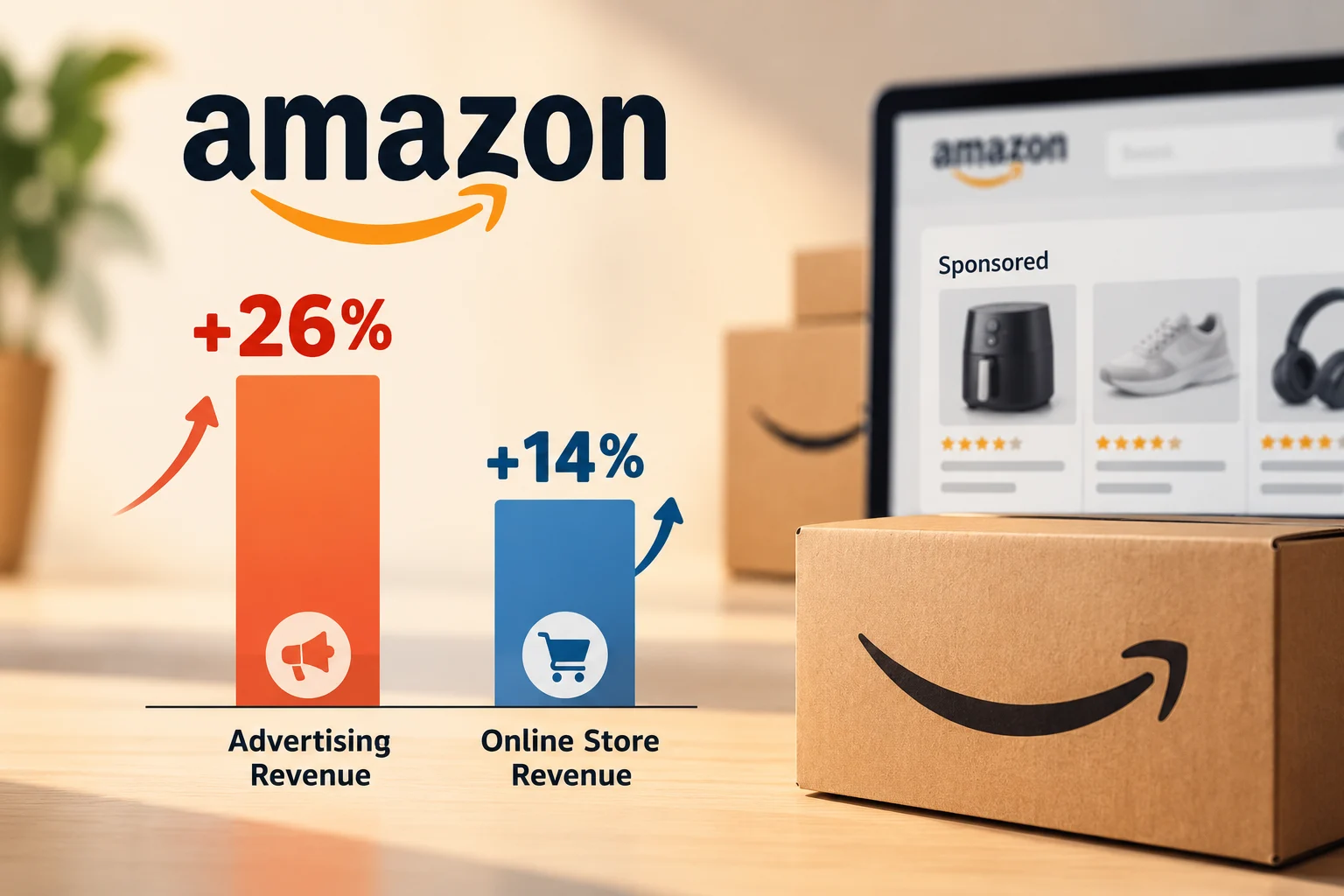
Now look at Amazon’s incentives. Amazon Ads generated $19.8 billion in revenue in the second quarter of 2026, up 26% year over year, and Sponsored Products remained its largest ad offering. If an independent agent moves product discovery outside Amazon’s own shopping experience, it could bypass some of the sponsored placement and personalisation that make the marketplace valuable. That is the commercial tension not proof that Amazon’s ad business is about to disappear.
The Unpacked take
Our take: marketing moves upstream
I have not found a public Flipkart statement that settles how it will handle independent shopping agents, so it would be premature to present the Indian marketplace response as decided. The incentives are easier to see than the outcome. Marketplaces make money from sponsored placement, while direct-to-consumer brands often pay to be visible inside them. If an agent can compare products elsewhere, some of that paid visibility becomes less useful.
The bigger shift may happen before the search begins. When you tell an agent “only Daikin or Voltas”, that preference came from somewhere: experience, recommendations, reviews, or years of brand-building. An Instagram ad may no longer need to produce an immediate click. It may need to make a brand familiar enough to be named in the instruction.
The goal may shift from winning the click to making the shortlist.
That is why good products and trusted brands still matter. But “agents optimise for quality and price” is too simple a picture. Agents rely on the data they can access, may be biased toward the first result, and can be manipulated. Their recommendations could also be shaped by paid placements if the platform behind them chooses to monetise visibility.
For Indian D2C brands, the challenge is not to stop marketing. It is to make sure the promise created by marketing survives a comparison of price, specifications, warranty terms, return policies, and credible reviews.
A practical checklist
What brands should do now
There is no guaranteed formula for ranking inside an AI agent’s recommendations. But businesses can remove avoidable reasons for an agent to misunderstand, overlook, or mistrust a product.
Make product facts readable
Publish specifications as real text and structured fields, not only inside a product image or a brochure PDF. Include efficiency ratings, materials, dimensions, model numbers, and warranty coverage.
Keep listings consistent
Make prices, stock, shipping charges, and product versions match across your website and marketplaces. Conflicting listings make comparison harder for people and automated systems alike.
Make trust verifiable
Earn genuine reviews and make return, refund, and warranty terms easy to find. Fabricated reviews and unsupported claims may influence a weak system briefly, but they create a fragile business.
Plan for agent-friendly buying
Explore clean product feeds, documented APIs, and checkout flows that use clear permissions and approval steps. Work with platforms that make it explicit how agents access stores and how orders are attributed.
These are sensible foundations, not a promise that an agent will recommend you. The systems making those recommendations are still developing, and every ranking mechanism creates incentives for someone to game it.
The next marketing contest in India may not be for a human click. It may be for an agent’s shortlist. That system will be gamed too. The brands that last will not simply be the best at gaming it; they will be the ones whose specifications still hold up when a patient machine checks them against prices, policies, and hundreds of reviews.
Sources & further reading
Sources & fact check
Launch details, market figures, and legal developments are linked below. The arguments about how agentic commerce could affect Indian brands and advertising are Unpacked Daily’s analysis, not reported facts.
AI agents and payments
Indian advertising market
Agent reliability, marketplaces, and advertising
- Microsoft Research — Magentic Marketplace (5 November 2025)
- Bloomberg — Amazon blocks Meta’s Muse from its retail site (21 September 2026)
- Shopify Help Center — Selling on Meta with direct checkout
- US Court of Appeals, Ninth Circuit — Amazon v. Perplexity (4 August 2026)
- Amazon — Q2 2026 advertising results and Sponsored Products
Figures reflect the reports and periods linked above. Advertising estimates use different classifications and should not be treated as directly interchangeable. Availability, product features, and marketplace policies may change.